
01
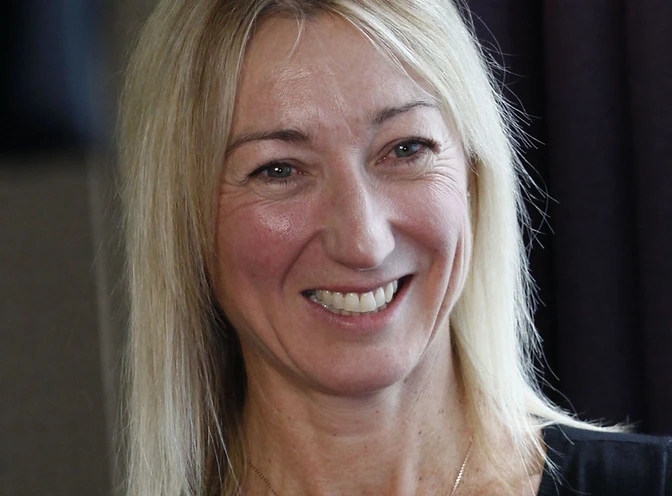
Donna Geddes
Centre Director · Chief Investigator
Focus — Lactation physiology & ultrasound imagingdonna.geddes@uwa.edu.auThe University of Western Australia · Est. 1993
Exploring the synthesis, composition and life-giving intelligence of human milk—from molecule to mother to infant.
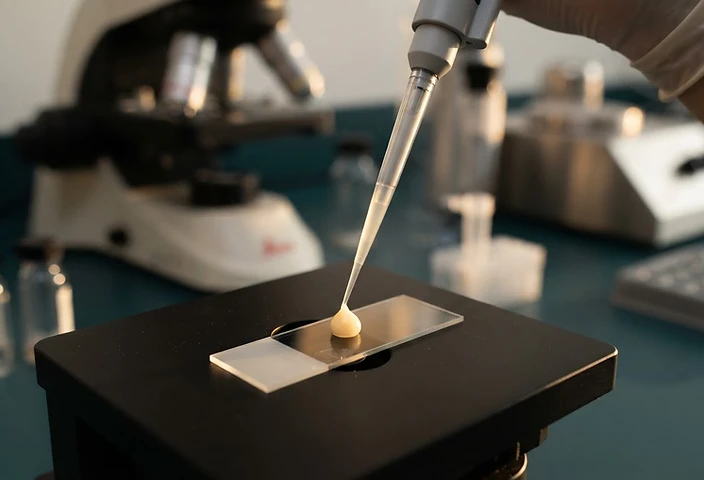
Explore latest research FIG. 01 — MOLECULAR SUSPENSION
Human milk is a diverse, dynamic system of nutrients, hormones and live cells uniquely tailored for the human infant. Our multidisciplinary research reveals how it is made, transferred and translated into health.
Mapping macronutrients, hormones, proteins and bioactive components across lactation.
Observing suck–swallow–breathe coordination, appetite control and infant development.
Tracing the living ecology of milk and its role in early-life microbial development.
Using imaging and physiological measurement to understand synthesis, ejection and supply.
Multi-omic profiling of 1,543 human milk samples reveals a shared compositional axis linking maternal nutrition and mammary functional state to infant growth, identifying seven milk biomarkers of milk synthesis, barrier integrity and immune activity.
Factor analysis and validity testing of the six-item BISSI Version 3, supporting its clinical use alongside human milk sodium-to-potassium analysis for inflammatory conditions of the lactating breast.
An online survey characterising milk production, pumping patterns and feeding dynamics among women who exclusively express breastmilk.
Hospital-grade and personal-use pumps offer different features and performance characteristics.
Examining how milk components shape the infant oral microbiome beyond the effect of estimated intake alone.
A study of maternal experiences, challenges and support needs during exclusive pumping.
Exploring maternal factors connected to dietary protein concentrations in human milk.
Understanding expression patterns, sodium concentrations and milk production after preterm birth.
A critical review of the methods and readiness of human milk nutrient measurement.
Investigating relationships among maternal physiology, milk production and infant intake.
Postdoctoral researchers, graduate research assistants, undergraduate and postgraduate students, collaborate across Australia and the world — each bringing a unique focus to the science of human milk
Centre Director · Chief Investigator
Focus — Lactation physiology & ultrasound imagingdonna.geddes@uwa.edu.au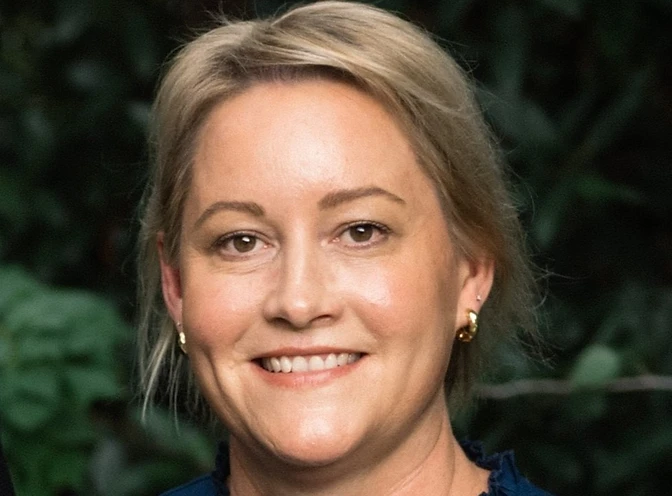
Business Support Specialist
Focus — Operations, project & data managementjacki.mceachran@uwa.edu.au

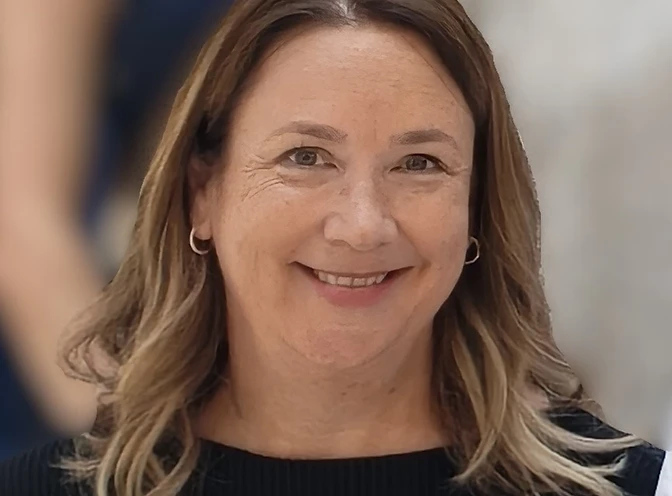
Research Fellow
Focus — Preterm breastfeeding & low milk supplysharon.perrella@uwa.edu.au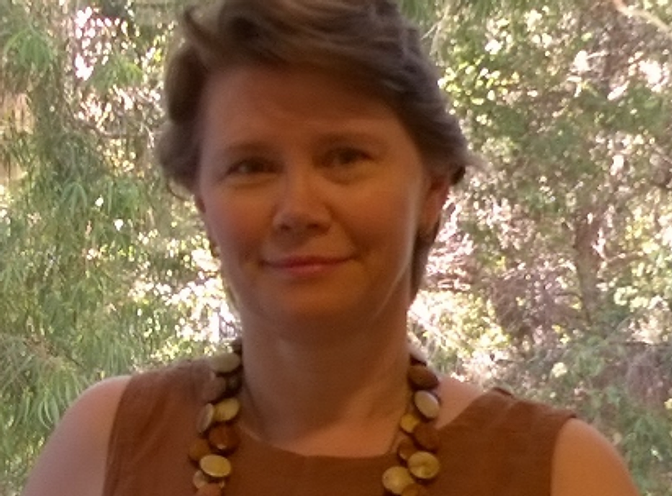
Research Fellow
Focus — Milk composition, infant body composition & milk removal from the breastzoya.gridneva@uwa.edu.au
Research Associate
Focus — Milk synthesis, biomarkers of low milk production & solutions for low milk supplyxuehua.jin@uwa.edu.au
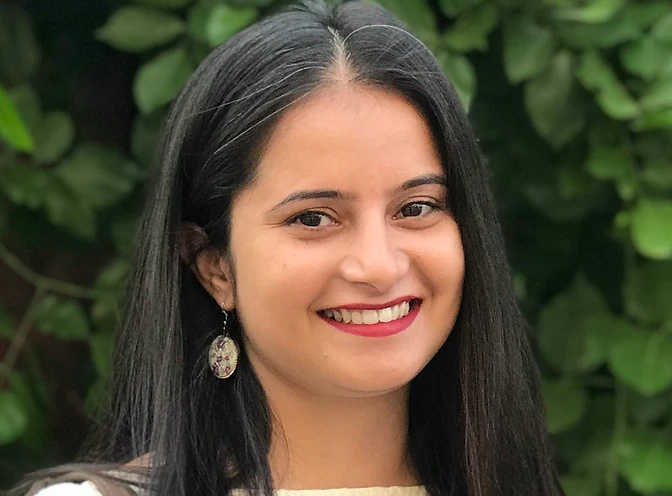
Graduate Research Assistant
Focus — Molecular aspects of human milksimran.sandhu@uwa.edu.au
PhD Candidate
Focus — Maternal & infant health, lactation policyclaire.hazelwood@uwa.edu.au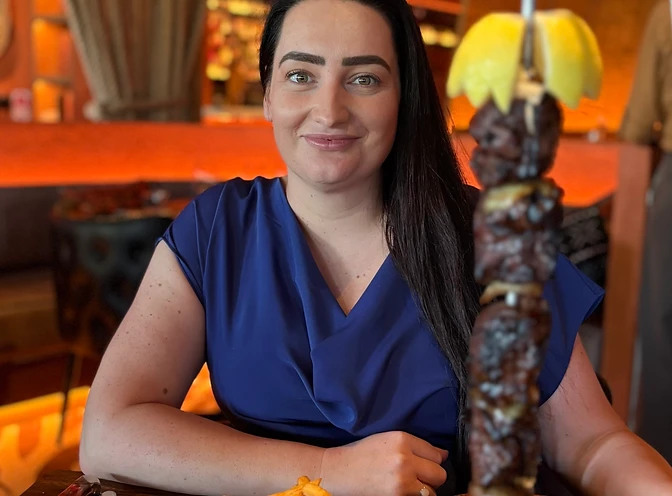
PhD Candidate
Focus — Postpartum ICU admission & breastfeeding supportdanelia.craill@research.uwa.edu.au
PhD Candidate
Focus — Placental anomalies & lactation outcomeshanifatur.rosyidah@research.uwa.edu.au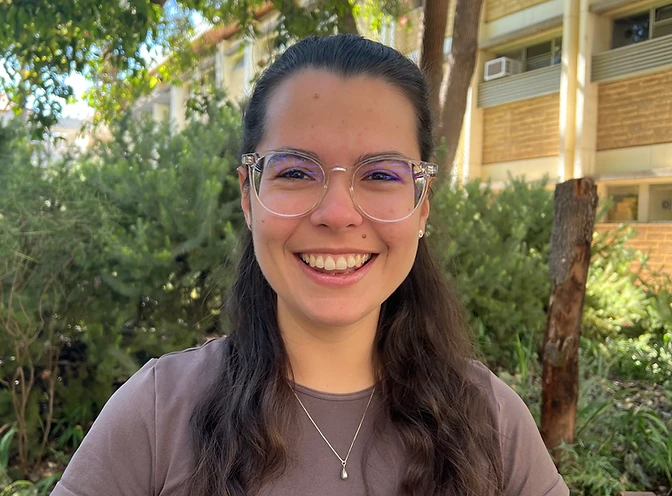
PhD Candidate
Focus — Early lactation support & health systemsjelica.gencelaugusto@research.uwa.edu.au
Scroll to explore all 14 members →
From our highly equipped laboratories at UWA, we collaborate internationally to translate lactation science into better outcomes for mothers and infants.


